Connectivity
AWS Direct Connect from an Australian Colocation Facility: Setup, Latency, Cost
7 min read
AWS Direct Connect gives your colocated equipment a private link into AWS. Here is where it is available in Australia, how dedicated and hosted connections differ, what drives the cost and what to check before you order.
What AWS Direct Connect is
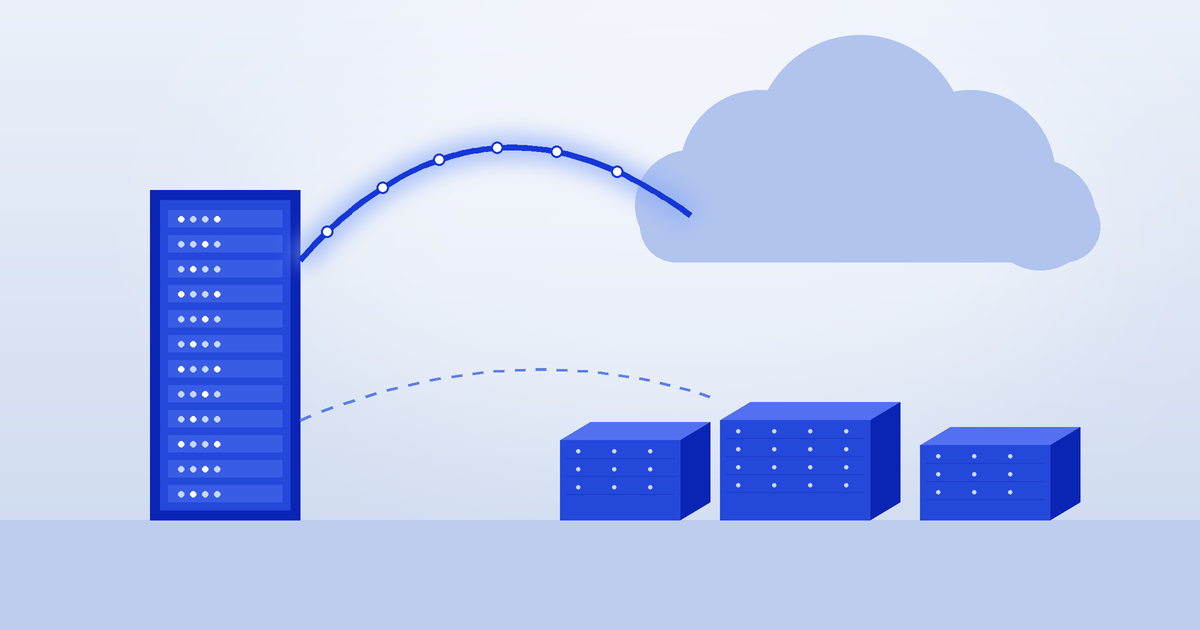
AWS Direct Connect is Amazon Web Services' private network connection service. Instead of reaching your AWS workloads across the public internet, you connect your own router to AWS's network at a Direct Connect location, usually a colocation data centre. Traffic then travels over that private link to your virtual private clouds (VPCs) or to AWS public services.
For businesses that already run equipment in colocation, Direct Connect is often the natural next step in a hybrid cloud design. Our cloud on-ramps guide explains the general idea. This guide focuses on AWS specifically: where you can connect in Australia, the two ways to buy a connection, what you pay for and what to check before you order.
Where Direct Connect locations are in Australia
AWS publishes its list of Direct Connect locations on its website. As of October 2026, the Australian locations listed are:
• Sydney: Equinix SY3, Equinix SY5 (both also reachable from Equinix SY1 to SY5 on the same campus), Global Switch SY6 and NEXTDC S2. • Melbourne: Equinix ME2 (also reachable from Equinix ME1) and NEXTDC M1. • Canberra: CDC Data Centers and NEXTDC C1. • Brisbane: NEXTDC B2. • Perth: NEXTDC P1.
There is no Direct Connect location listed in Adelaide, Hobart or Darwin. Businesses in those cities usually reach a location in another city through a carrier or a connectivity partner. AWS also notes that, using a Direct Connect gateway, you can reach any public AWS Region (except China) from any Direct Connect location, so you are not limited to the Sydney or Melbourne Regions just because you connect in Australia. Locations change, so check AWS's current list before you plan.
If your equipment is in one of these buildings, connecting can be as simple as a cross connect inside the facility. If it is in another data centre, you will need a carrier circuit or a partner to reach a Direct Connect location. Our cross connects guide explains how in-building connections work, and you can see facilities by city on the DChunt map and on our Sydney, Melbourne, Brisbane, Perth and Canberra pages.
Dedicated vs hosted connections
There are two ways to buy Direct Connect.
A dedicated connection is a physical port on AWS's equipment, reserved for you. You request it in the AWS console, and AWS lists dedicated port speeds of 1, 10, 100 and 400 Gbps, depending on location. Not every Australian location offers every speed, so check the location list. AWS then issues a Letter of Authorization and Connecting Facility Assignment (LOA-CFA), which you give to the data centre operator so they can install the cross connect between your rack and AWS's port. Dedicated connections suit organisations with steady, high-volume traffic and their own network team.
A hosted connection is provisioned for you by an AWS Direct Connect Delivery Partner, using one of the partner's ports. AWS lists hosted capacities starting at 50 Mbps. You order from the partner rather than from AWS, and the partner handles the physical link to AWS. Hosted connections suit smaller bandwidth needs, sites that are not in a Direct Connect building, and teams that want a provider to manage the connection. Many interconnection platforms run by data centre operators and carriers can deliver hosted connections, so ask your facility which partners are on site.
How latency works with Direct Connect
Direct Connect does not make the speed of light faster. Latency depends mainly on the physical distance between your equipment, the Direct Connect location and the AWS Region you use. Its benefit is consistency: traffic avoids public internet routing and congestion, so round-trip times tend to vary less.
To keep latency low, place your equipment in, or close to, a Direct Connect location in the same city as the AWS Region you use most. AWS has Regions in Sydney and Melbourne, so workloads in those Regions are naturally served by locations in those cities. A business in Perth or Brisbane can connect locally and still reach the Sydney Region, but traffic will cross the country. Rather than relying on published estimates, ask your facility or carrier for measured round-trip times from your rack to your target Region, and test them yourself after installation. Our connectivity guide covers latency, carriers and route diversity in more depth.
Cost components
AWS's Direct Connect pricing page lists the charges in US dollars. They include:
• Port hours. You pay for every hour a port or hosted connection is provisioned, whether or not traffic flows. At the time of writing, AWS lists dedicated port rates outside Japan of US$0.30 per hour for 1 Gbps, US$2.25 per hour for 10 Gbps and US$22.50 per hour for 100 Gbps. Hosted connection rates depend on capacity. • Data transfer out. Data sent out of AWS through Direct Connect is charged per gigabyte. The rate depends on the AWS Region sending the data and the Direct Connect location. • Data transfer in. AWS lists data sent into AWS over Direct Connect at US$0.00 per GB.
That is only AWS's share. You also need to budget for the cross connect from the data centre operator, any carrier circuit or partner fees, your own routers and optics, and rack space and power. Prices change, so check AWS's pricing page and get written quotes from each supplier. Our colocation cost guide explains what drives the colocation side of the bill.
Designing for resilience
A single Direct Connect connection is a single point of failure. AWS recommends using more than one location for high availability, and its resiliency guidance suggests separate connections at two different locations for critical workloads. In Australia, that might mean pairing two Sydney locations, or one in Sydney and one in Melbourne.
Each connection should land on a separate router, use diverse cross connects and, where possible, separate carrier paths. Many businesses also keep an encrypted VPN over the internet as a backup. Direct Connect traffic is not encrypted by default, so if you need encryption, plan for MACsec, which AWS supports on some 10 and 100 Gbps ports, or run an IPsec VPN over the connection. Our geographic redundancy guide explains how to judge whether two sites are really independent.
Checklist for ordering
• Confirm which AWS Regions and services you need to reach, and whether you need a private, transit or public virtual interface. • Check whether your facility is a Direct Connect location, or which partners can deliver a hosted connection there. • Choose port speed based on measured traffic, with room to grow. • Decide on your resilience model before ordering: one connection, two at one location, or two locations. • Make sure your routers support BGP and, if needed, MACsec. • For a dedicated connection, request it in the AWS console, download the LOA-CFA and order the cross connect from your data centre. • Get written pricing for port hours, data transfer out, cross connects and any partner fees. • Test failover and measure latency before moving production traffic.
If you are still choosing a facility, shortlist sites with the comparison tool, check operators in the provider directory, such as NEXTDC, Equinix and CDC, and use DChunt's free assessment to match your cloud, power and budget needs to locations. DChunt is independent and does not resell data centre space or AWS services. This guide is general information; confirm current locations, speeds and prices with AWS and your suppliers.
Frequently asked questions
Not sure how this applies to your business?
The free DChunt assessment turns answers like these into realistic pricing and a provider shortlist for your specific requirements.
Get a free colocation assessment from DChunt